


NAROWAL, Pakistan (AP) — Rescuers in boats raced to reach stranded families in Pakistan’s populous eastern Punjab province Thursday, after three major rivers burst their banks because of heavy rain and the release of water from overflowing dams in neighboring India. The floods displaced nearly 250,000 people and officials said more than 1 million people were affected, with crops and businesses destroyed and many unable to leave their homes. At least 15 people were killed a day earlier in Gujranwala district and nearby villages, according to police. Forecasters said more rain was expected Friday, after a two-day pause, and could continue into next week. Marriyum Aurangzeb, senior minister of Punjab province, said floods hit 1,432 villages located along the Ravi, Sutlej and Chenab rivers, affecting about 1.2 million people and displacing 248,000 others.
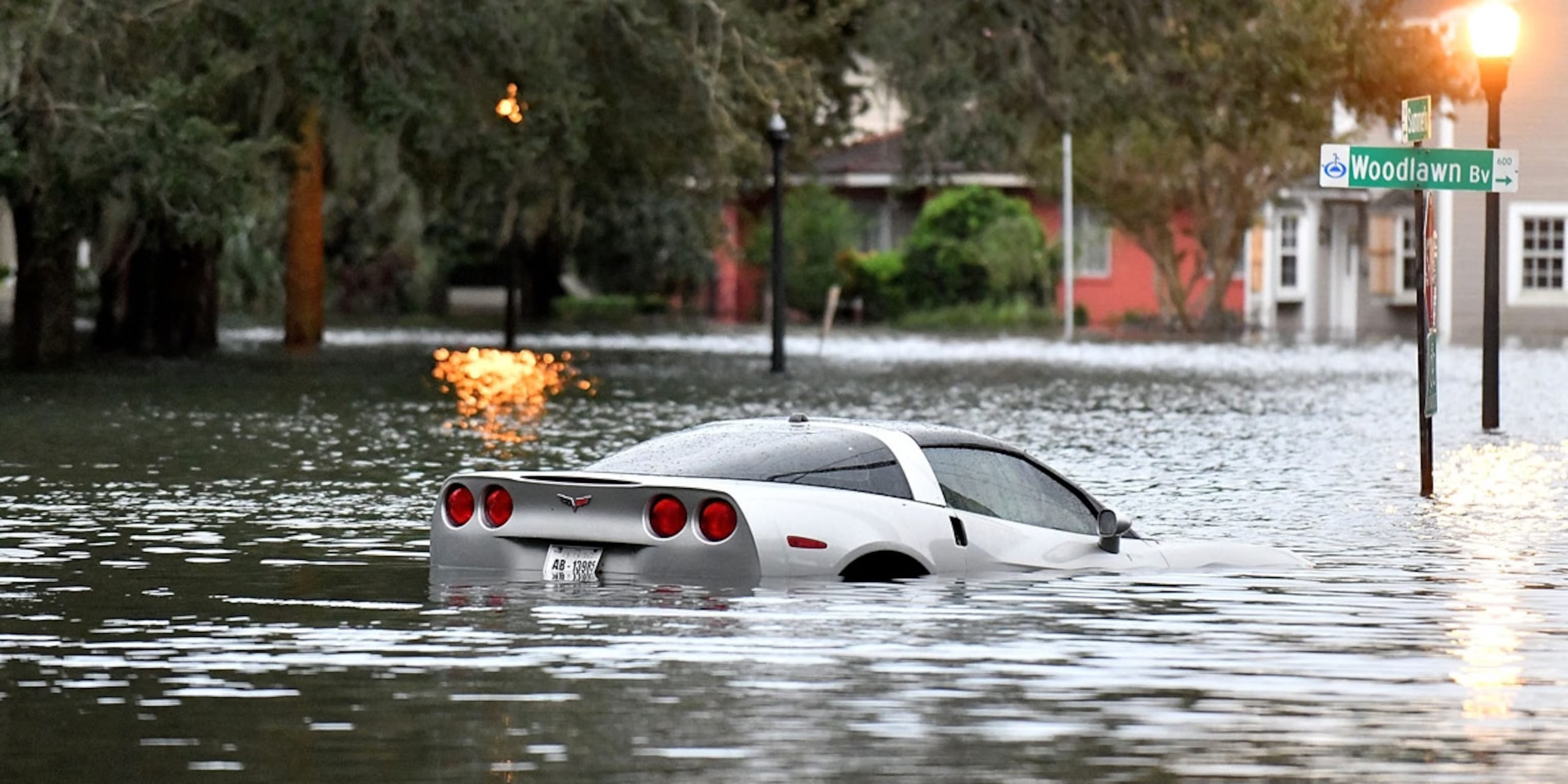
An Associated Press reporter on Thursday saw village after village underwater. Floodwaters covered fields and streets and thousands of people sat along the roadsides. Many had fled their homes in haste, carrying little or no food. “We are in great misery. Neither the government nor anyone else has come to inquire about us,” said Mohammad Saleem, a farmer in Narowal, sitting on a road surrounded by water with hundreds of other people. Rana Hanan, a lecturer at Narowal University, said more than 100 houses in his community were destroyed. “When the water came, people saved themselves on their own,” he said. In some areas, residents clung to rooftops awaiting rescue, while those who reached higher ground reported hunger, skin infections, and diarrhea.
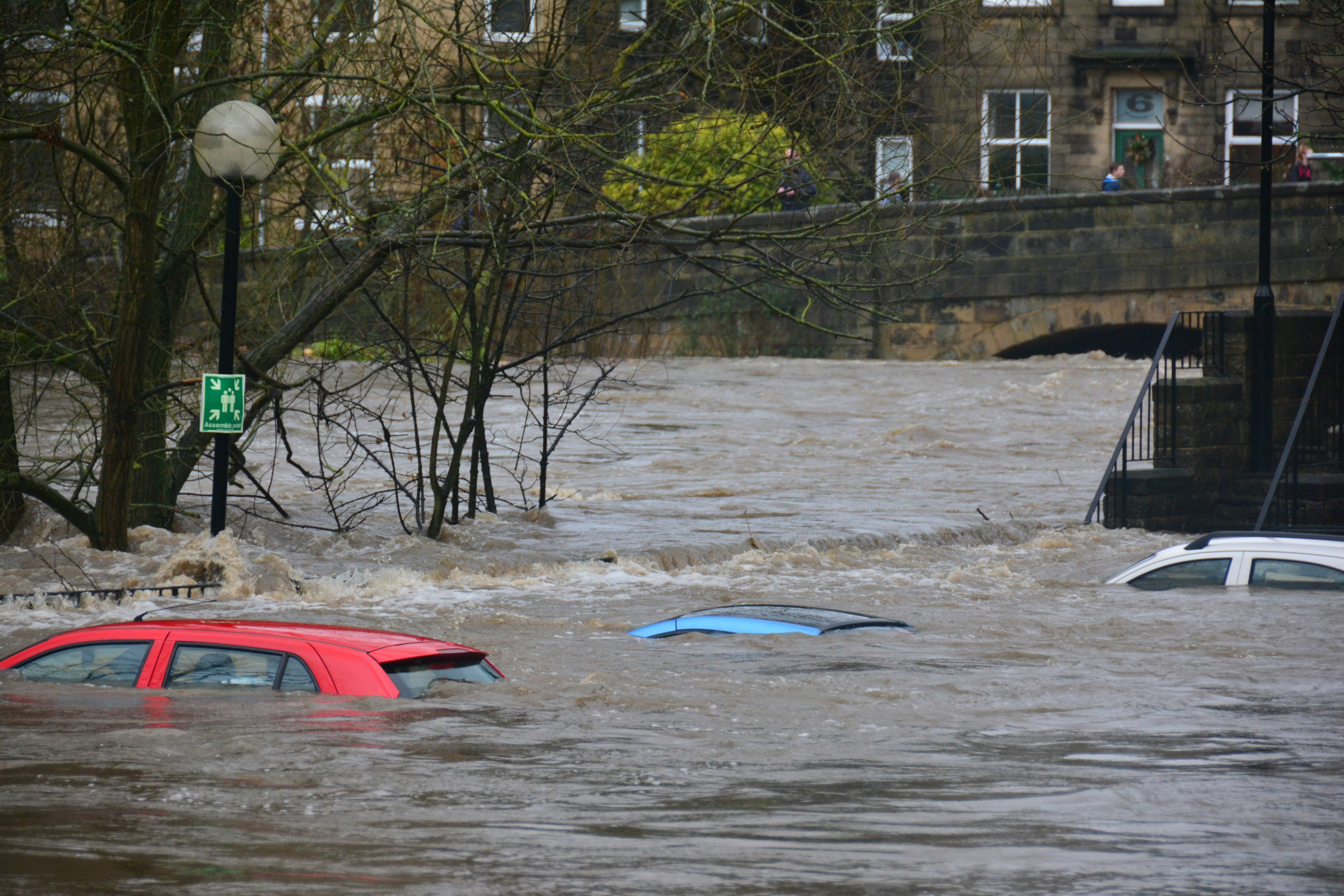
Recently, many areas have been affected by heavy floods due to continuous rainfall. 🌧️ News reports show that houses, roads, and bridges have been badly damaged. Thousands of people have been displaced and are taking shelter in relief camps. Rescue teams and government officials are working day and night to provide food and medical aid. The situation remains critical, and authorities have warned people to stay alert for more flooding.